
Leading Flat Roof Waterproofing Options For Reliable Leak Prevention
Identify top waterproofing products that provide a strong barrier against water damage and maintain roof integrity.
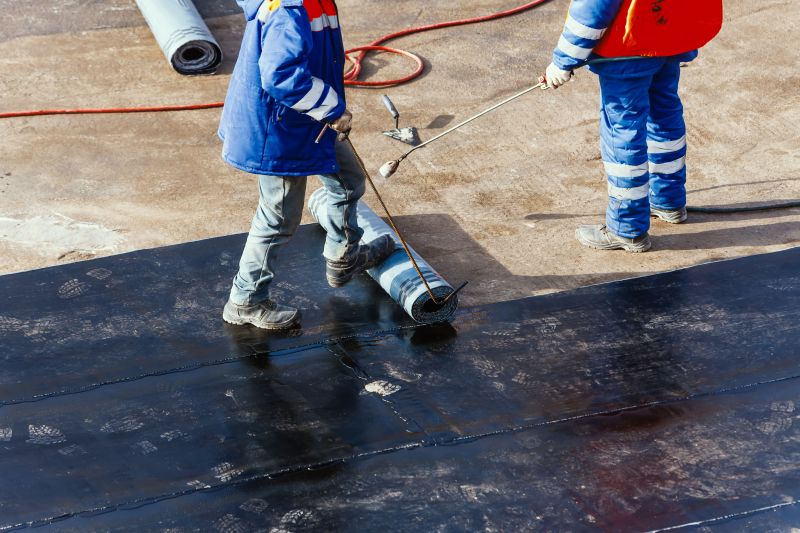 Flat roofs require specialized waterproofing solutions to protect the structure from water intrusion and potential damage. The choice of waterproofing products depends on various factors such as roof material, climate, and intended lifespan. Common options include liquid-applied membranes, sheet membranes, and coating systems, each offering different application methods and durability characteristics. Proper installation and maintenance are essential to ensure the longevity and effectiveness of the waterproofing system.
Top Overall Option
Liquid Roofing Membrane System
A versatile liquid membrane system offers seamless, flexible coverage suitable for various flat roof types. It can be applied over different substrates, providing a durable and waterproof layer that resists cracking and ponding. Proper application techniques and regular maintenance can help maximize its performance and lifespan.
Types of Products For Flat Roof Waterproofings
Liquid-applied Membranes
These are fluid coatings applied with brushes, rollers, or spray equipment, forming a seamless waterproof barrier.
Self-Adhesive Sheet Membranes
Pre-fabricated sheets with adhesive backing, easy to install and suitable for various roof surfaces.
Torch-On Membranes
Bitumen sheets that are heated with a torch to adhere securely to the roof surface, offering durable waterproofing.
EPDM Rubber Membranes
Synthetic rubber sheets known for flexibility and resistance to weathering, ideal for flat roofs.
Polyurethane Coatings
Elastomeric coatings providing waterproofing and reflective properties, often used as a top layer.
Acrylic Coatings
Water-based coatings offering UV resistance and ease of application over existing membranes.
Bitumen Roll Roofing
Traditional rolled bitumen sheets that are mechanically fastened or adhered, suitable for flat roofs.
Liquid Asphalt Coatings
Asphalt-based liquid coatings that form a waterproof layer when dried, often used for repair or maintenance.
Silicone Coatings
Highly reflective and UV resistant coatings that provide waterproofing and help reduce heat absorption.
PVC Membranes
Polyvinyl chloride sheets that are heat-welded for a strong, waterproof seal, suitable for flat roofs.
TPO Membranes
Thermoplastic polyolefin sheets known for durability and ease of installation, used in flat roofing.
Liquid Rubber Coatings
Elastomeric coatings that create a flexible, waterproof layer, often used for roof repairs.
Polyurea Coatings
Fast-curing, high-performance coatings that provide waterproofing with excellent adhesion and flexibility.
Asphalt Felt
Traditional roofing felt used as a base or top layer in waterproofing systems.
Popular Choices
Widely used for their ease of application and seamless coverage, suitable for various flat roof surfaces.
Known for flexibility and weather resistance, often chosen for long-term durability.
Popular for their durability and ease of installation, suitable for commercial flat roofs.
Favored for their chemical resistance and strong welds, providing a reliable waterproof barrier.
Convenient for DIY projects and repairs, offering quick adhesion and reliable sealing.
Popular for their UV resistance and high reflectivity, helping to extend roof life.
A traditional choice for flat roofs, appreciated for its straightforward installation and reliability.
Chosen for their elasticity and waterproofing capabilities, suitable for various roof surfaces.
Often used as a topcoat to enhance waterproofing and UV resistance.
Popular for repairs and maintenance due to their ease of application and flexibility.
Valued for quick curing and high-performance waterproofing solutions.
Liquid-applied membranes are popular for their seamless coverage and ability to conform to complex roof geometries. These products are typically applied with brushes, rollers, or spray equipment, forming a continuous, flexible barrier that resists cracking and ponding water. Sheet membranes, often made from bitumen or synthetic materials, are prefabricated and adhered or mechanically fastened to the roof surface, providing reliable protection with straightforward installation. Coatings, usually elastomeric or acrylic-based, can be applied over existing membranes or surfaces to enhance waterproofing and extend the roof's service life.
Choosing the right waterproofing product involves considering the roof's specific conditions, including exposure to sunlight, temperature fluctuations, and foot traffic. Compatibility with existing roofing materials, ease of application, and long-term performance are crucial factors. Regular inspections and maintenance can help identify early signs of wear or damage, ensuring the waterproofing system remains effective over time. Consulting with roofing professionals and adhering to manufacturer guidelines can facilitate successful waterproofing projects for flat roofs.
Key Buying Considerations
- Compatibility with existing roof materials and structure
- Climate and weather exposure, such as UV rays, rain, and temperature fluctuations
- Ease of application and required tools or professional assistance
- Durability and expected lifespan of the waterproofing product
- Flexibility and ability to accommodate roof movements or settling
- UV resistance and reflectivity to reduce heat absorption
- Waterproofing thickness and coverage area per application
- Adhesion strength and bonding properties to various substrates
- Maintenance requirements and ease of inspection
- Compatibility with future roof repairs or coatings
- Cost considerations including initial investment and long-term value
- Application conditions such as temperature and humidity limits
- Environmental conditions like ponding water or foot traffic
- Manufacturer reputation and product certifications
- Warranty options and manufacturer support
This content may contain affiliate links. We may earn a commission if you purchase through these links, at no additional cost to you.